
Vapor Combustion Units for Tank Degassing
Vapour combustion units that burn the hydrocarbon vapour removed from storage tanks during degassing for cleaning and inspection.


Tank vapour burned while the tank is made ready for work
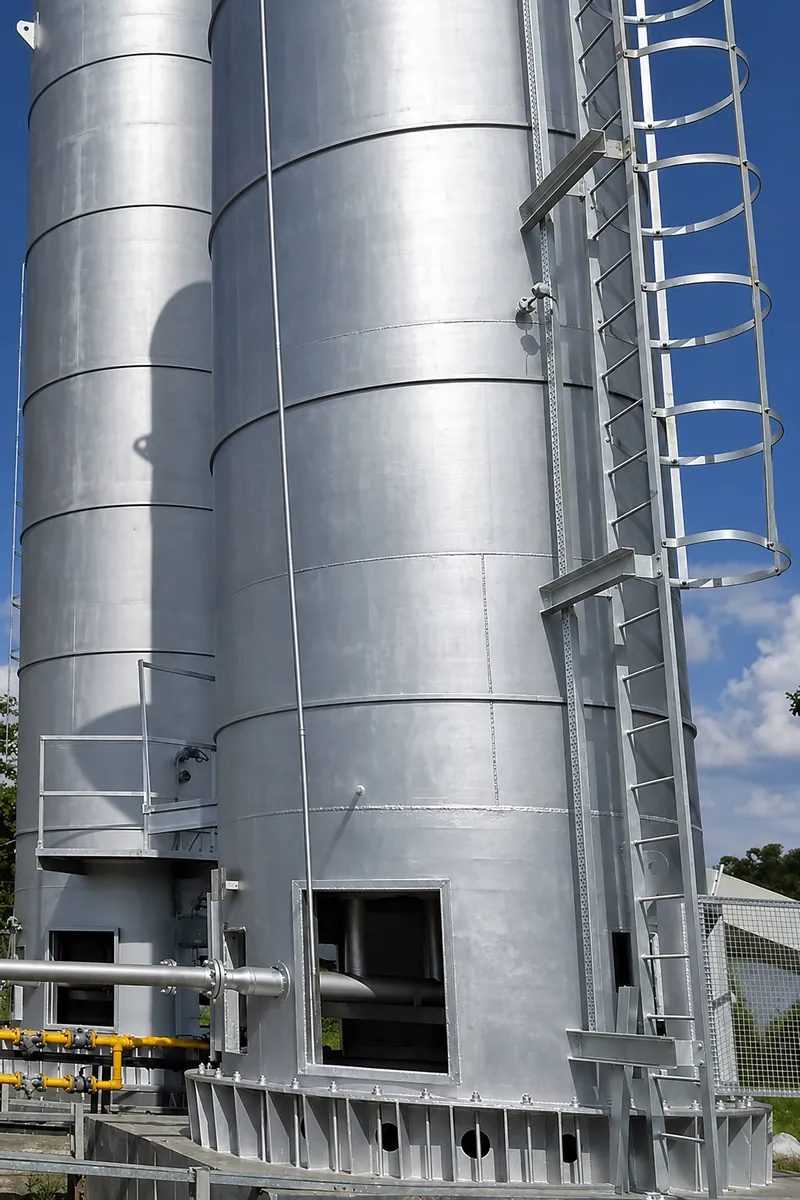
CRA's vapour combustion units burn the vapour drawn from crude and product tanks during degassing, with support fuel as the vapour thins and flame arrestors on the line.
Destruction efficiency
>99%
Mount
Trailer or skid
Vapour
Rich to lean
Line safety
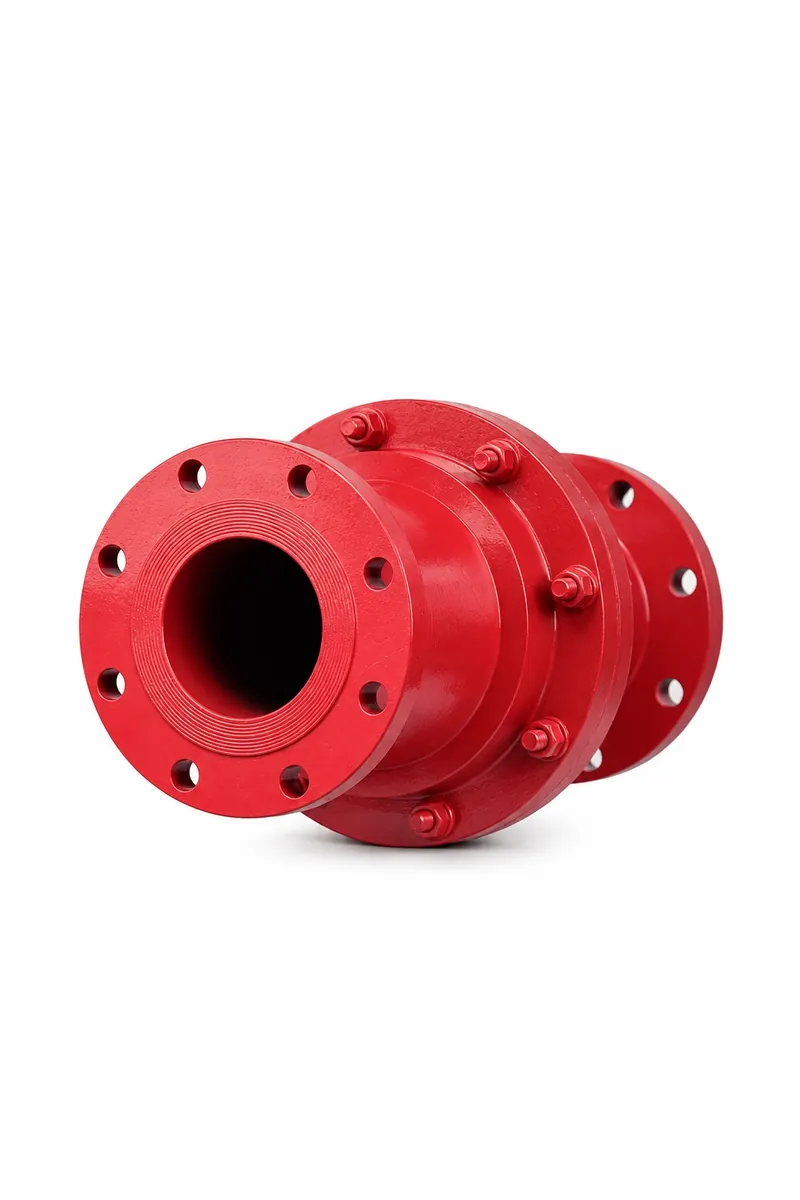
Flame arrestors
What does a vapour combustion unit do during tank degassing?
Air or inert gas is blown through the emptied tank to push out the vapour that remains. The vapour combustion unit takes this stream and burns it, adding support fuel as the vapour gets leaner.
How it works
The unit is placed near the tank and connected to the degassing outlet, with flame arrestors on the line.
Product is drawn down and the tank is isolated.
Air or inert gas pushes the remaining vapour from the tank.
Flame arrestors guard the line to the combustor.
The combustor burns the vapour, with support fuel as needed.
Degassing ends once the tank is ready for cleaning.
Key Benefits
Vapour removed from the tank is burned close to the work.
Support fuel keeps combustion stable as the vapour in the tank thins out.
Flame arrestors protect the line between the tank and the combustor.
Trailer or skid mounting lets the unit move from tank to tank.
The unit is designed for destruction efficiency above 99%.
The CRA Edge
CRA has more than 30 years of experience in gas handling and flare engineering.
Design, R&D and manufacturing are carried out under one roof.
ISO 9001 certified through TÜV NORD, with designs aligned with ASME, API and CE.
Designs are customised to the process needs and the regulations that apply at site.
Applications

Frequently Asked Questions
Why burn vapour during tank degassing?
Degassing removes the vapour left in a tank. Burning it keeps hydrocarbons and benzene out of the air around the site.
How does the unit cope as the vapour thins?
The vapour in the tank gets leaner as degassing goes on. Support fuel keeps the combustion stable through the whole job.
Can one unit serve several tanks?
Yes. A trailer or skid mounted unit can move from tank to tank across a terminal.
What data does CRA need to size a degassing unit?
CRA needs the tank sizes, the product stored, the planned degassing rate and the site conditions.
How is flashback prevented?
Flame arrestors on the line between the tank and the combustor stop a flame travelling back to the tank.