
Biogas Systems for Food Processing Effluent
Biogas handling systems for food and beverage effluent reactors, from H₂S scrubbing to boiler gas trains and flares.


Effluent biogas turned into boiler fuel
CRA supplies the biogas handling for food and beverage effluent plants, cleaning, drying and boosting the gas for boilers and flaring the surplus.
Gas use
Boilers and heaters
H₂S removal
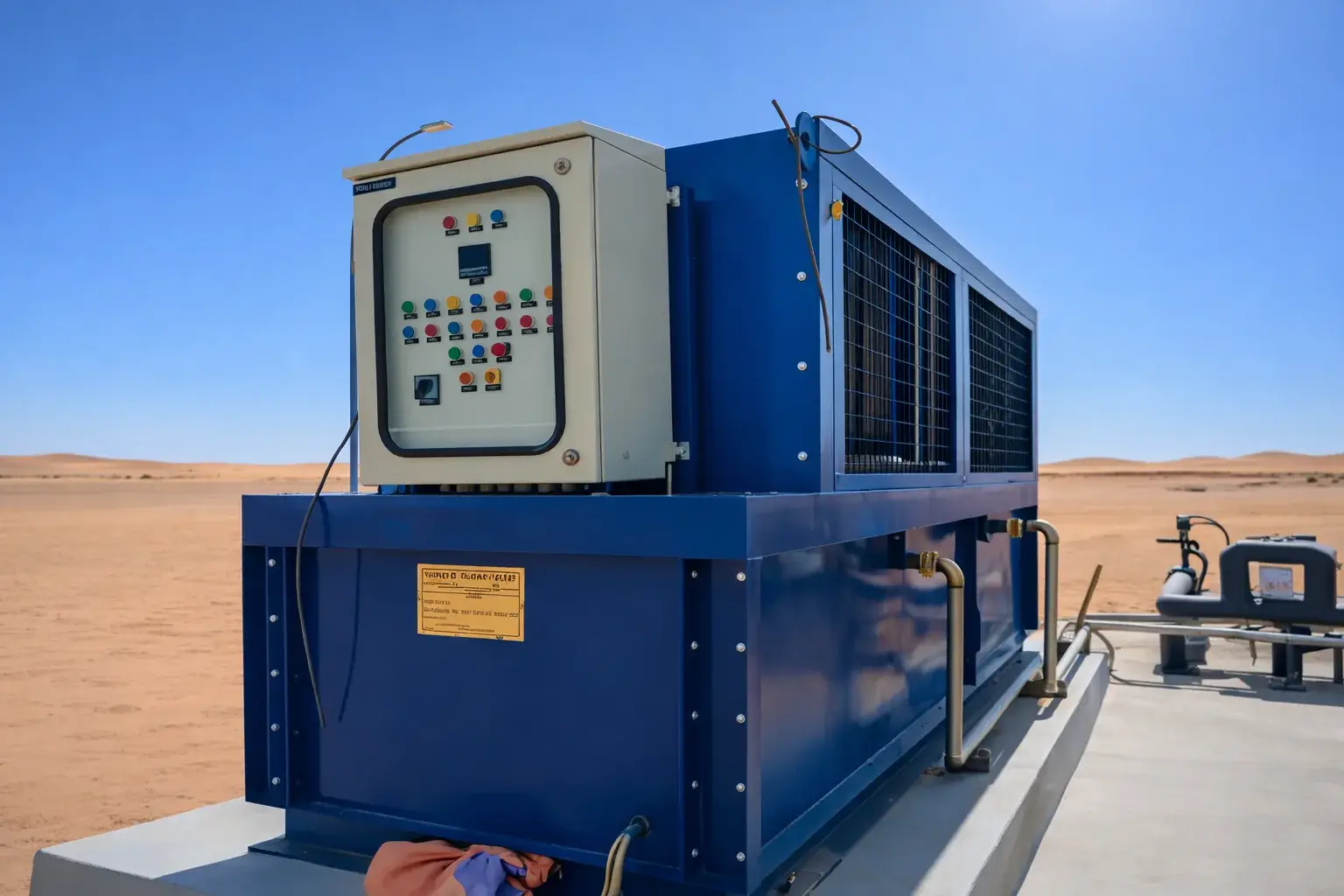
Scrubber and carbon
Surplus gas
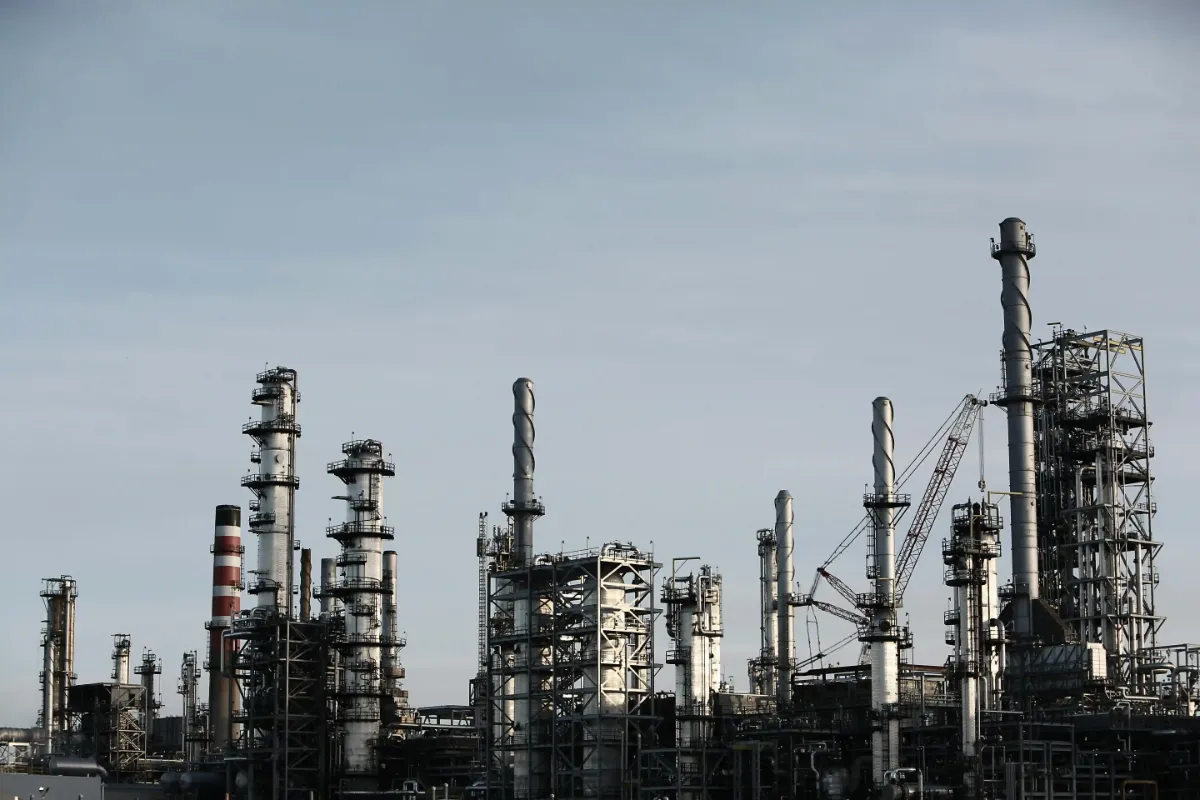
Flare
Scope
Gas handling
What does a biogas system do at a food processing plant?
Anaerobic reactors on strong food effluent turn the organic load into biogas. The biogas system removes the hydrogen sulphide and moisture, raises the pressure and delivers the gas to the boiler house.
How it works
A flare branch takes any gas the boilers cannot use, so the reactor keeps running steadily.
Biogas leaves the reactor gas outlet.
A scrubber removes the hydrogen sulphide.
Moisture is removed before the gas line.
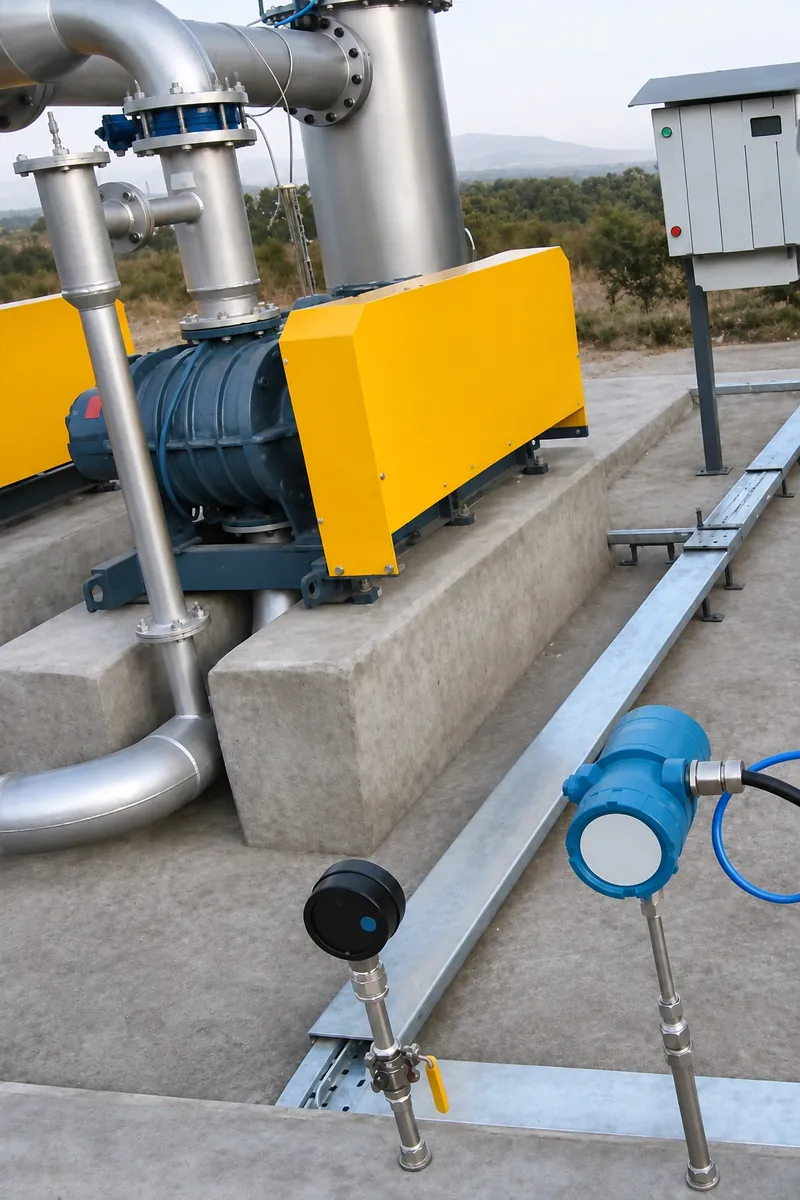
A blower supplies the boiler gas train.
The flare burns any gas left over.
Key Benefits
Biogas replaces part of the boiler fuel the plant buys.
Scrubbing protects burners and pipework from corrosion.
The system is sized for the gas flow from the effluent reactor.
A flare burns gas the plant cannot use.
Scrubbing, drying, boosting and flaring come from one supplier.
The CRA Edge
CRA has more than 30 years of experience in gas handling and flare engineering.
Design, R&D and manufacturing are carried out under one roof.
ISO 9001 certified through TÜV NORD, with designs aligned with ASME, API and CE.
Designs are customised to the process needs and the regulations that apply at site.
Applications

Frequently Asked Questions
Which food plants produce useful biogas?
Plants with strong organic effluent, such as starch, brewery, juice and confectionery plants, can produce enough biogas to fuel part of their boiler load.
Does food effluent biogas need H₂S removal?
Yes. Most effluent biogas carries hydrogen sulphide. CRA removes it in a scrubber, with carbon polishing below 5 ppm where the gas user needs it.
Where does the system connect to the effluent plant?
It takes gas from the reactor gas outlet and delivers it to the boiler house, with a flare branch for surplus gas.
What data does CRA need to design the biogas system?
CRA needs the biogas flow and how it varies, the gas analysis, the gas users and the site conditions.
What happens to gas the plant cannot use?
A flare burns the surplus safely, so the reactor can keep running when the boilers are down.