
Mobile Flares for Pipeline Maintenance
Trailer-mounted flares that burn gas released from pipeline sections during maintenance, pigging and commissioning.
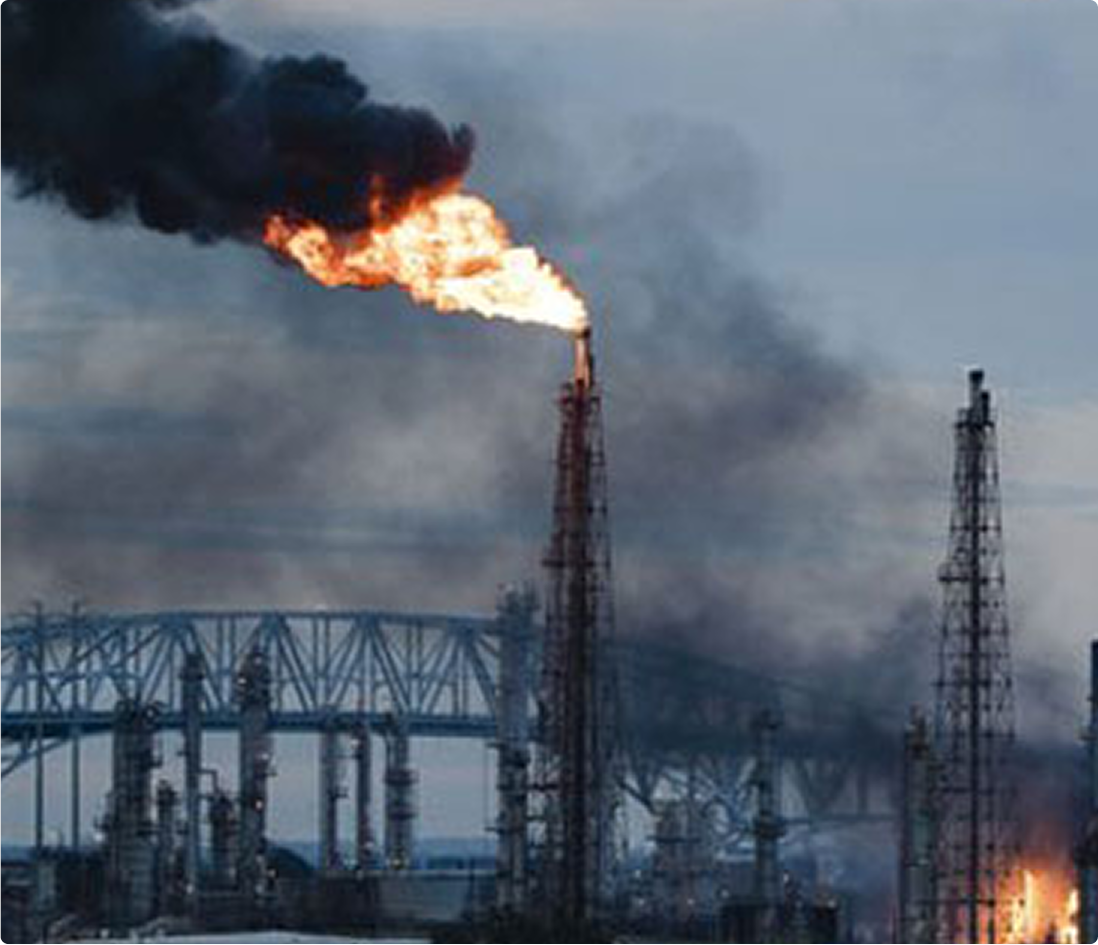

Pipeline sections emptied safely before work starts
CRA's trailer-mounted flares connect to gas and LPG pipeline sections and burn the product as it is evacuated for repairs, tie-ins, pigging and commissioning.
Mount
Road trailer
Service
Gas and LPG
Ignition
On board
Supply
For purchase
What does a mobile flare do during pipeline maintenance?
Before a pipeline section is cut, tapped or inspected, it is isolated and the gas or LPG inside it is removed. A mobile flare connected to the section burns the product as the pressure falls.
How it works
The flare is towed to the nearest access point, connected and lit, and moved on once the section is empty.
Valves close off the section to be worked on.
A line runs from the section to the flare inlet.
The flare burns the gas as the section depressurises.
Purge gas follows to clear the remaining product.
The trailer moves to the next section or job.
Key Benefits
Gas from the pipeline section is burned safely near the work.
The flare handles natural gas as well as LPG vapour.
An on-board generator, ignition and burner management let the flare run where the route has no power.
The trailer is positioned and connected quickly at the access point.
One flare can serve maintenance work along the whole pipeline.
The CRA Edge
CRA has more than 30 years of experience in gas handling and flare engineering.
Design, R&D and manufacturing are carried out under one roof.
ISO 9001 certified through TÜV NORD, with designs aligned with ASME, API and CE.
Designs are customised to the process needs and the regulations that apply at site.
Applications
Frequently Asked Questions
Why flare gas during pipeline maintenance?
Gas left in a section that is to be opened has to be removed. Burning it in a flare is safer than releasing it at the work site.
Can a mobile flare handle LPG?
Yes. CRA designs mobile flares for LPG vapour as well as natural gas.
How is the flare connected to the pipeline?
A temporary line runs from a vent or blowdown point on the section to the flare inlet.
What data does CRA need to size a pipeline maintenance flare?
CRA needs the gas or LPG to be burned, the section volume and pressure, the time allowed for evacuation and the site conditions.
Is the flare suitable for hazardous areas?
Yes. Electrical equipment on the trailer is selected for the hazardous area at site.