
Mobile Flares for Refinery Turnarounds
Trailer-mounted flares that burn vent gas safely while refinery units and tanks are emptied and purged for turnarounds.


A flare that comes to the unit being opened
CRA's trailer-mounted flares burn vent gas from vessels, lines and tanks during refinery turnarounds, with ignition and controls on board.
Mount
Road trailer
Ignition
On board
Duty
Turnarounds and shutdowns
Supply
For purchase
What does a mobile flare do during a turnaround?
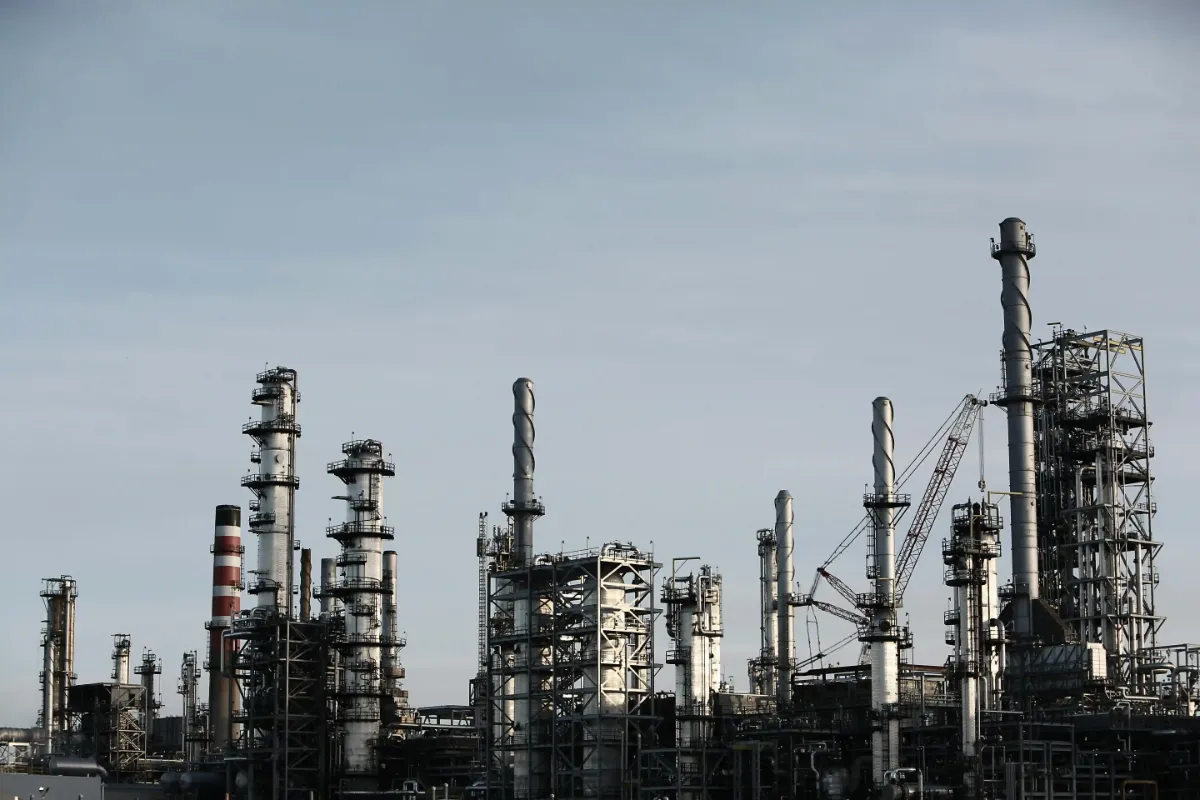
Units and tanks taken out of service still hold gas and vapour. A mobile flare connects to the vent line at the work site and burns that gas as the equipment is depressurised and purged.
How it works
The trailer carries the flare stack, the ignition system and the controls, so the flare can be set up quickly at the site.
The trailer is positioned near the unit being opened.
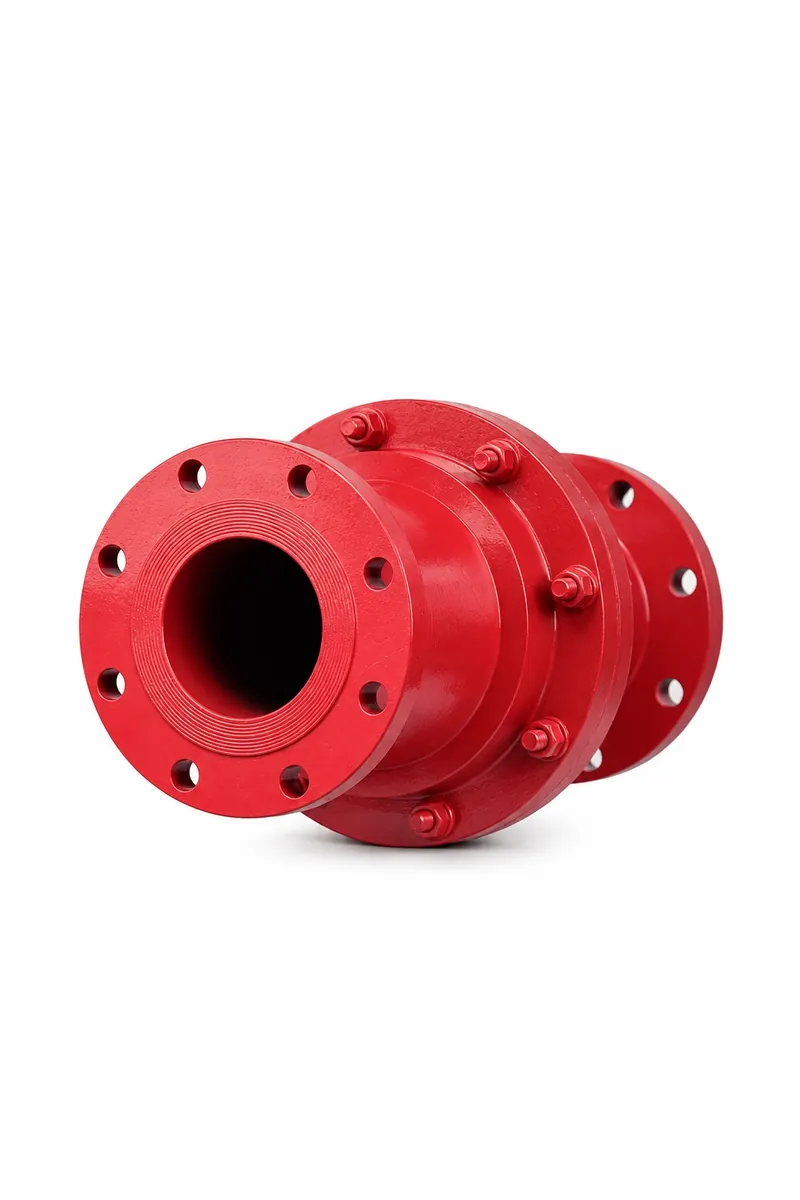
The vent line is connected to the flare inlet.
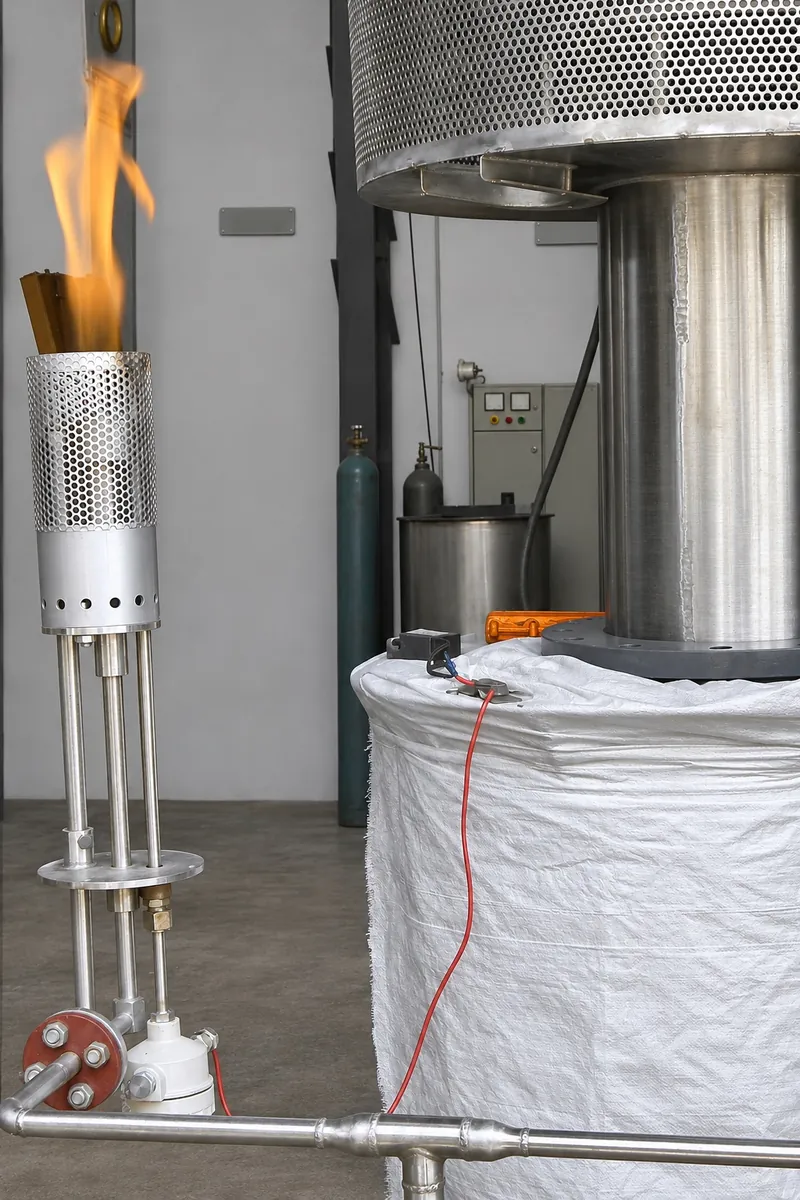
The on-board ignition lights the pilot and the flare.
Vent gas burns as the equipment is depressurised and purged.
The flare goes to the next job when the work is done.
Key Benefits
The flare travels on a road trailer to the unit being opened.
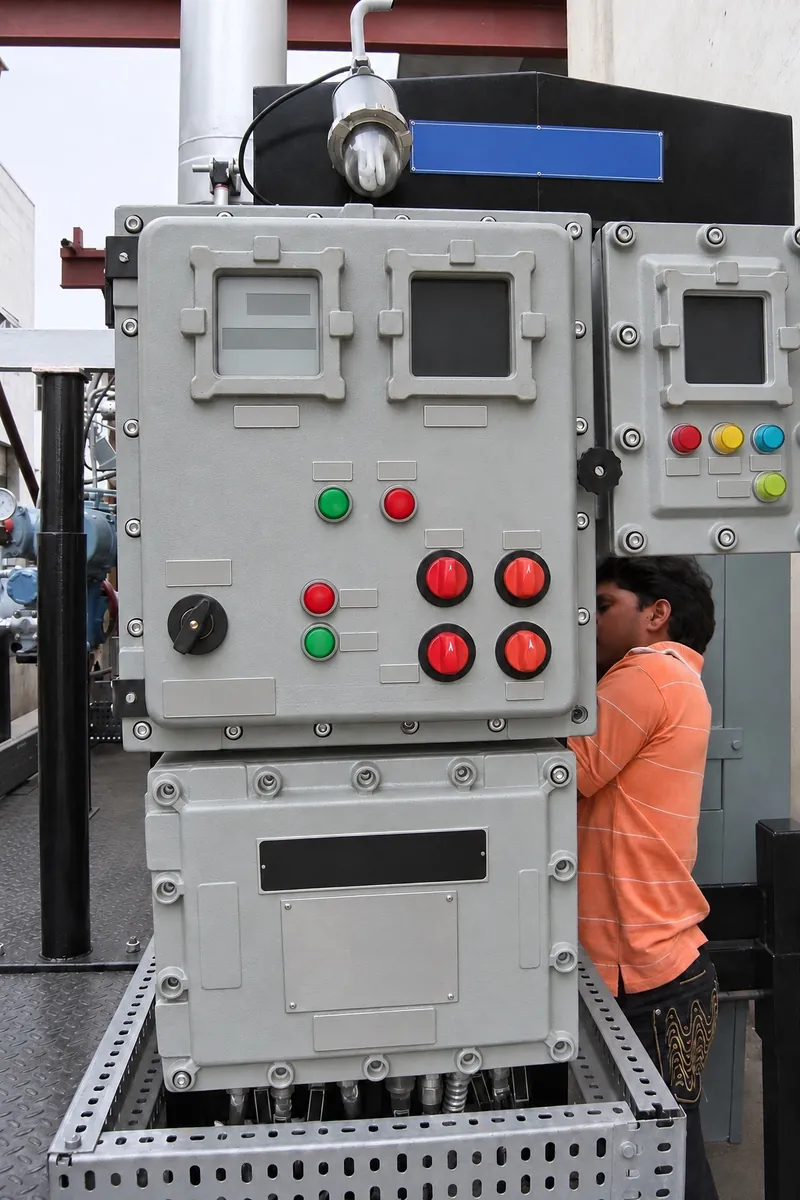
Ignition and controls are built into the unit.
Vent gas can be burned while the main flare system is down for maintenance.
Electrical equipment is selected for the hazardous area at site.
The refinery owns the flare and has it on hand for every shutdown.
The CRA Edge
CRA has more than 30 years of experience in gas handling and flare engineering.
Design, R&D and manufacturing are carried out under one roof.
ISO 9001 certified through TÜV NORD, with designs aligned with ASME, API and CE.
Designs are customised to the process needs and the regulations that apply at site.
Applications
Frequently Asked Questions
Why use a mobile flare during a turnaround?
The main flare or its header may be out of service, and the gas has to be burned close to the unit being opened. A mobile flare does this safely at the work site.
Can the same flare serve tank degassing?
Yes. The unit can burn vapour from tank degassing as well as gas from depressurised vessels and lines.
How does the flare reach the work site?
It is built on a road trailer and towed to the unit, where it connects to the vent line.
What data does CRA need to size a turnaround flare?
CRA needs the gases and vapours to be burned, the expected flow and its duration, the pressure available at the vent and the site conditions.
Can the flare be used on more than one unit?
Yes. The trailer moves from unit to unit, and between sites, as the turnaround progresses.