Explore Other Industries
Our Clients












Industry Challenges
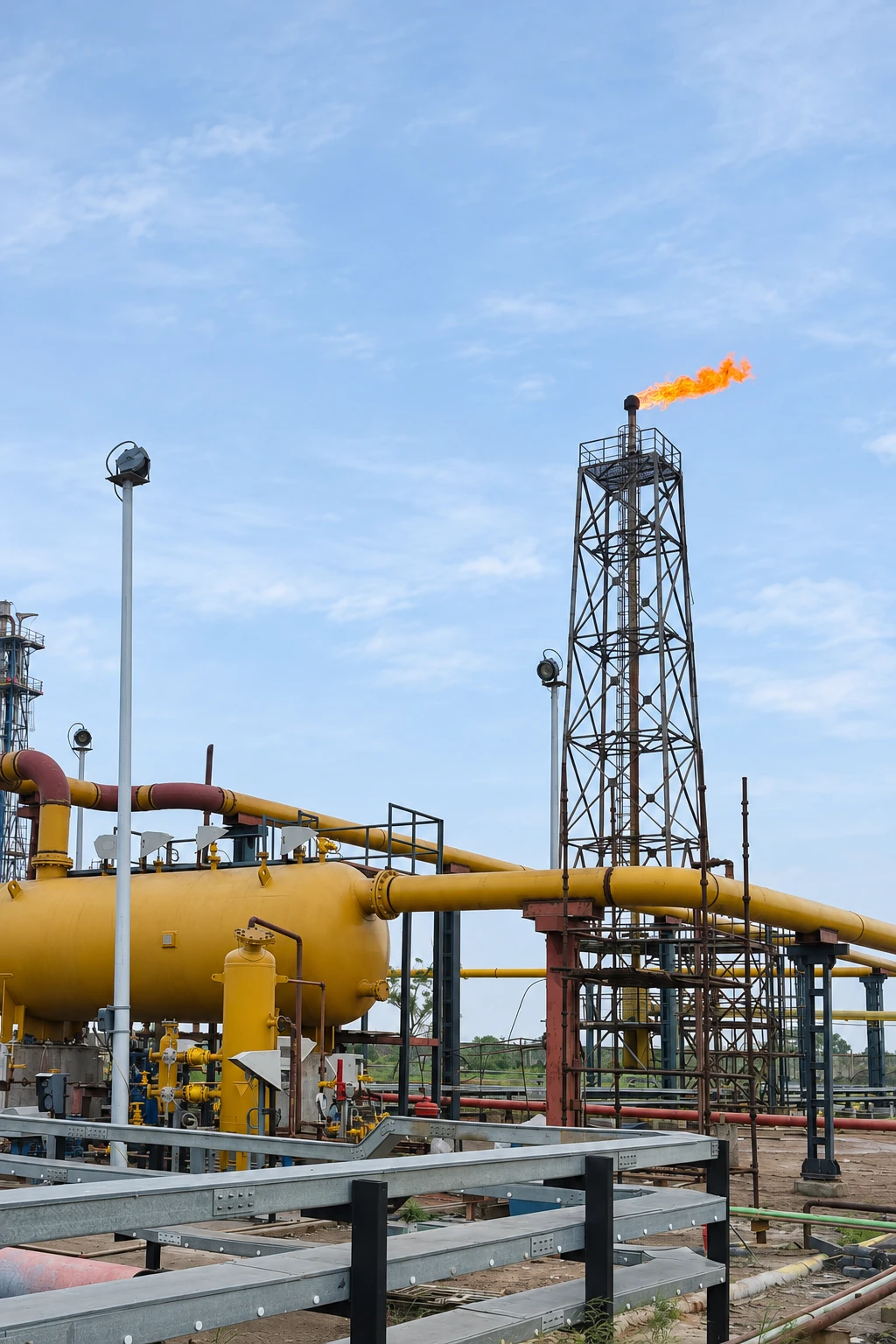
Refineries send gas to the flare every day, from routine purges and passing relief valves to large emergency releases, and their flares are watched closely by regulators and neighbours. The four points below are the main problems refinery operators face.

Heavy hydrocarbons smoke unless the flare is assisted, and a smoking stack draws complaints and regulatory attention.
Gas sent to the flare during normal operation is fuel the refinery has already paid for.
Claus tail gas carries reduced sulphur compounds that must be oxidised before the stack, through every swing in sulphur load.
Flare tips wear in service, and turnarounds release gas from the units being opened, so both need equipment that fits the existing system.
The CRA Edge
Steam and air assisted flares are designed for smokeless burning of heavy hydrocarbons.
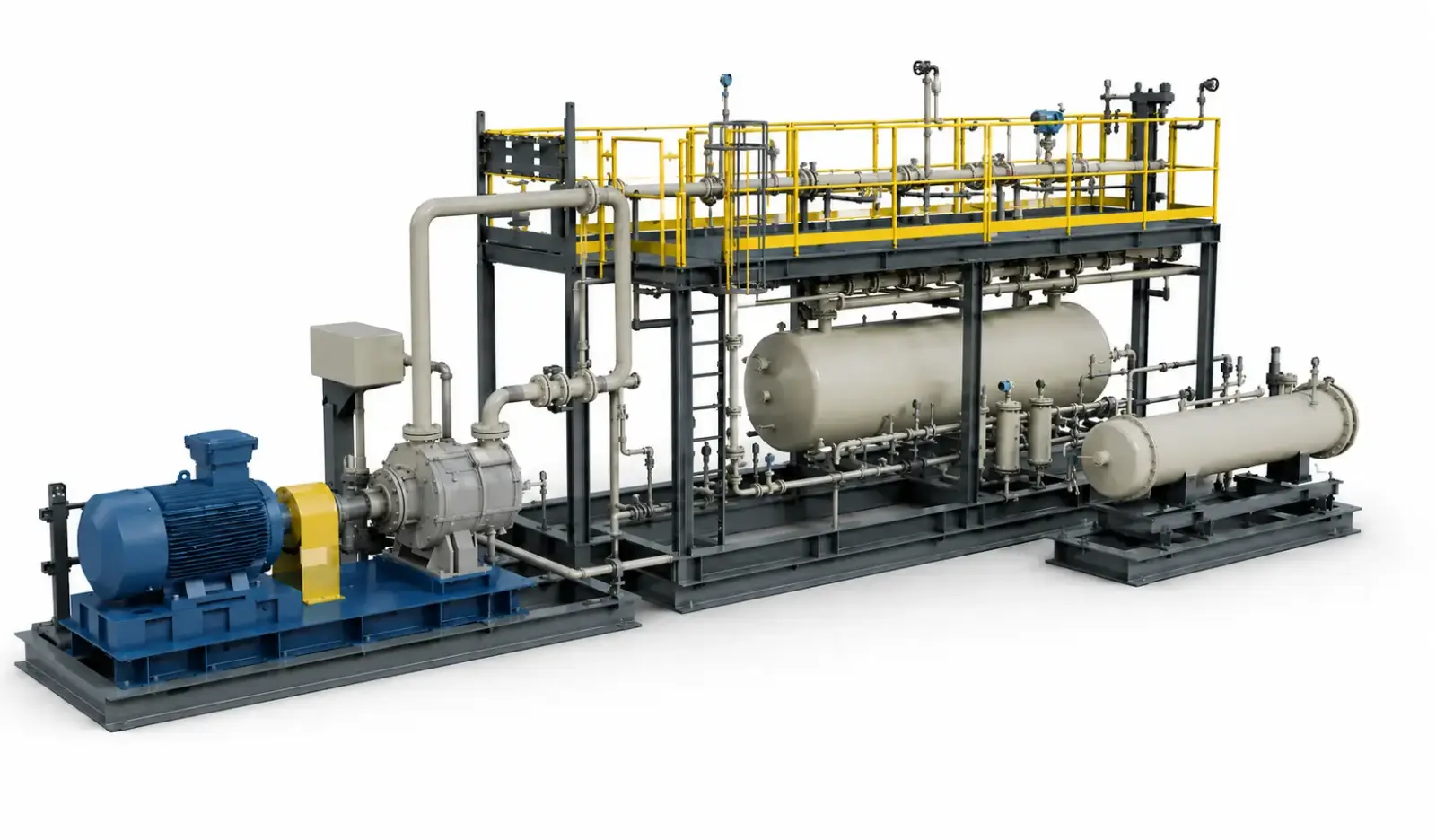
Recovery systems return routine flare gas to the refinery fuel system.
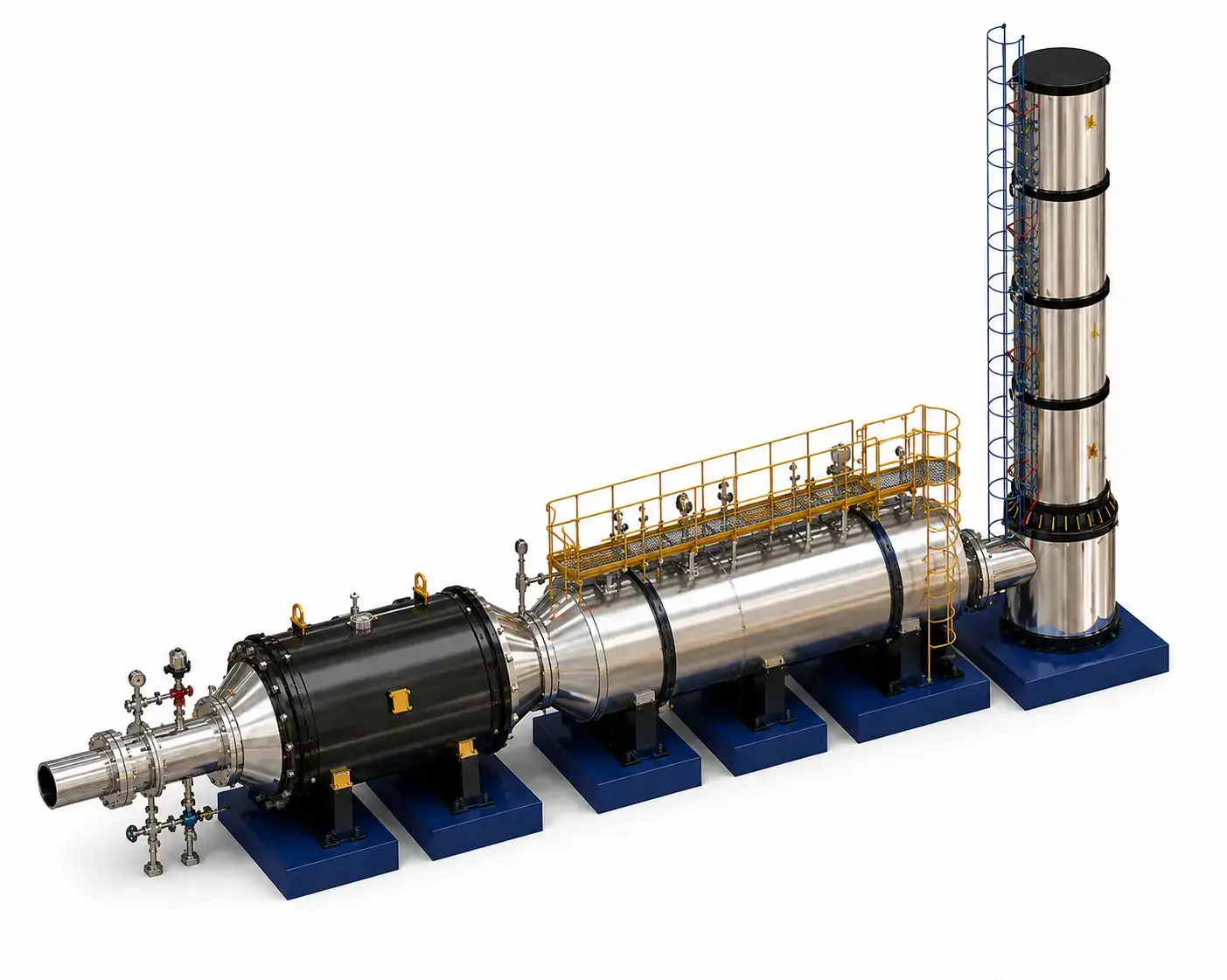
Sulphur tail gas oxidisers are designed for destruction efficiency above 99.9%.
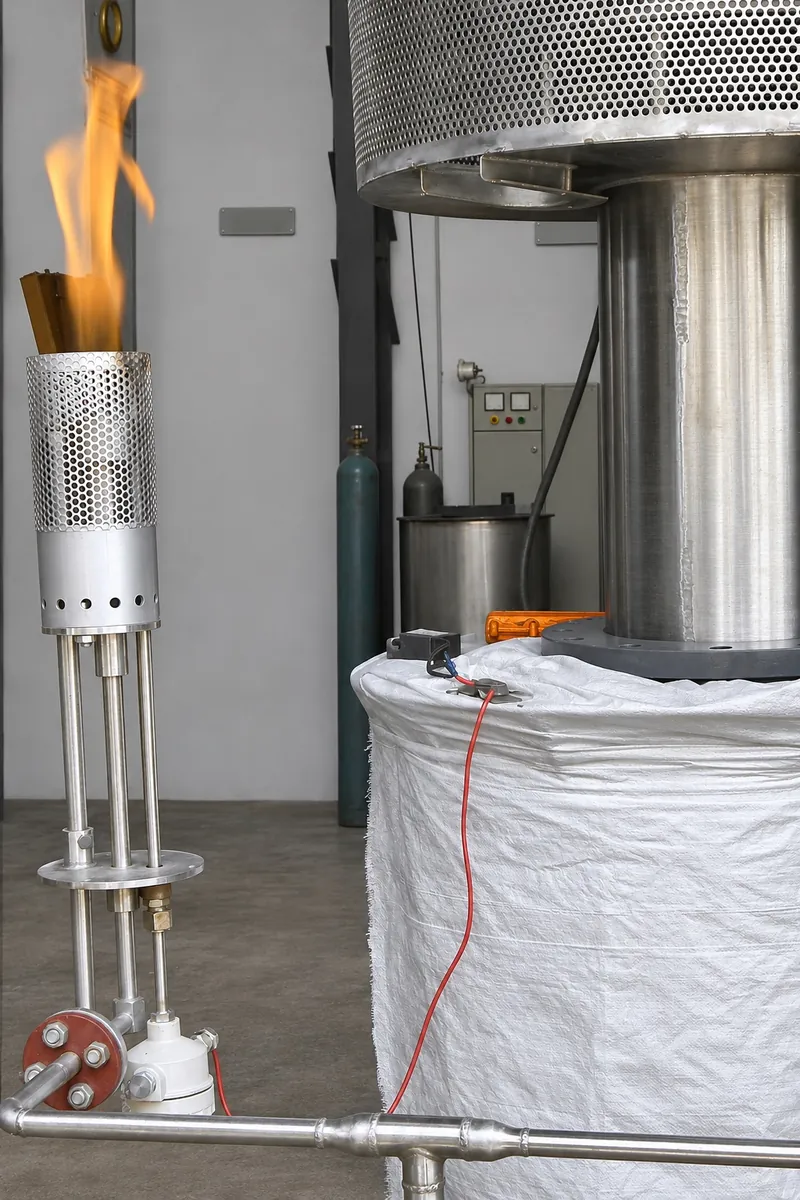
Replacement flare tips and ignition systems are built to fit the existing stack.