
Thermal Oxidizers for Frying, Roasting and Rendering
Thermal oxidisers that destroy the smoke, oil mist and odour from frying, roasting and rendering plants.


Fryer, roaster and cooker odour destroyed at source
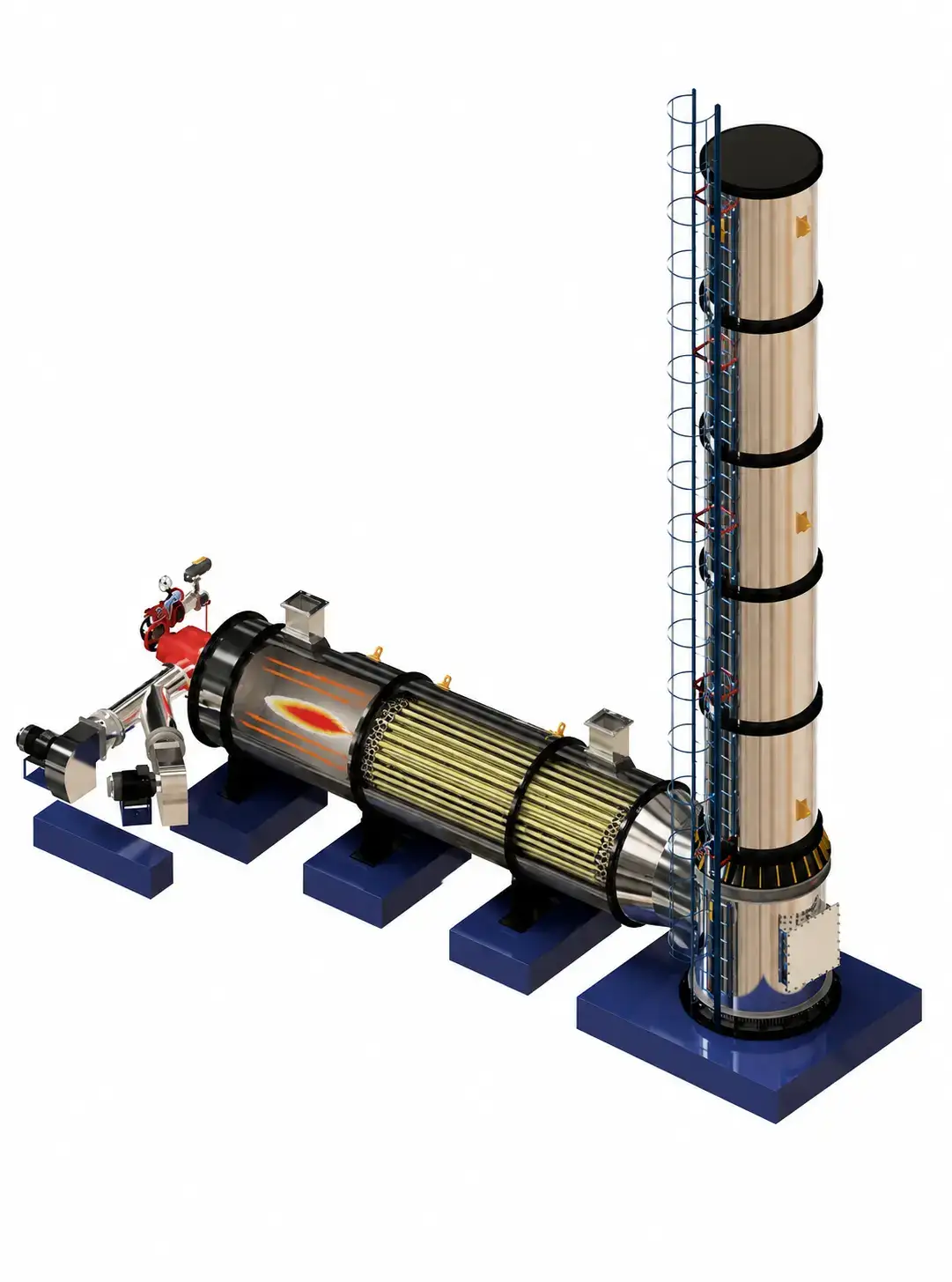
CRA's thermal oxidisers destroy the smoke, oil mist and odour in exhaust from snack fryers, roasters and rendering cookers, with the heat recovered for the process.
Destruction efficiency
>99%
Targets
Odour, smoke, oil mist
Heat recovery
Hot air, steam or oil
Duty
Continuous
What does a thermal oxidiser do at a food plant?
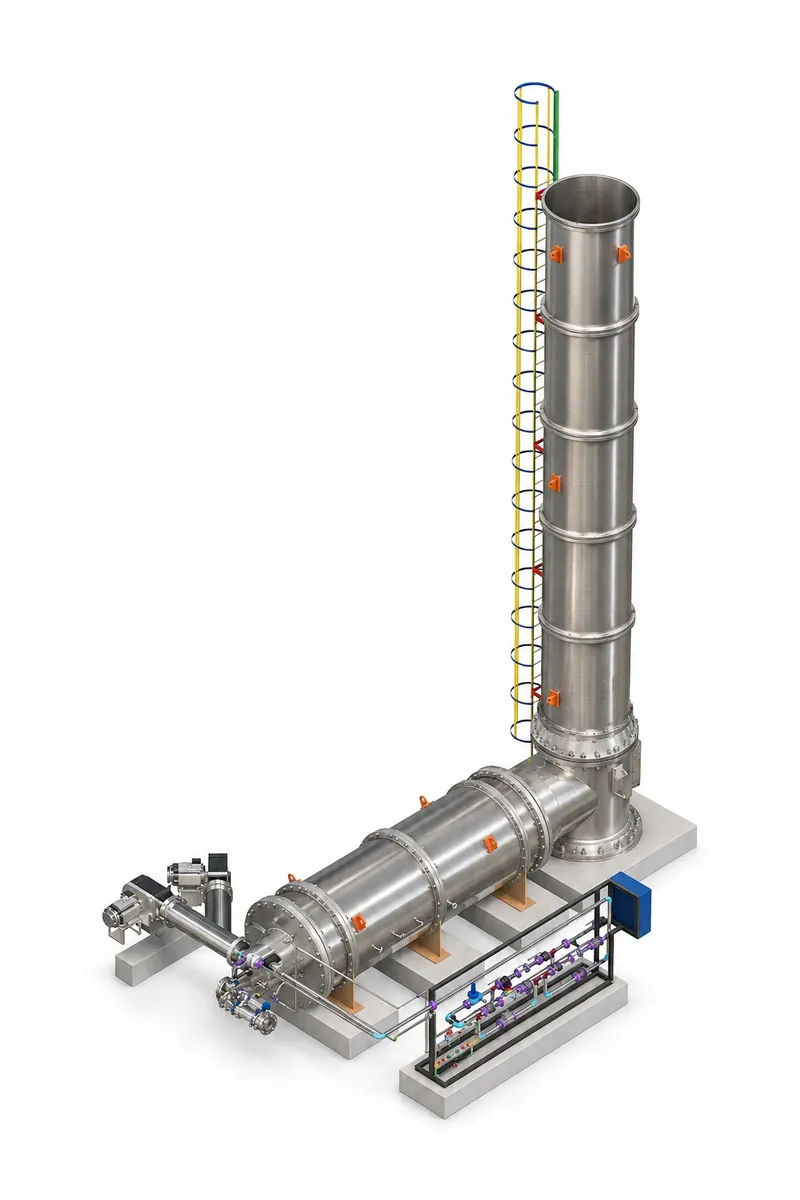
Frying, roasting and cooking drive moisture, oil and odour-causing compounds into the exhaust. The oxidiser burns the smoke, oil mist and odour-causing gases, leaving clean, hot air.
How it works
Heat exchangers recover that heat for the process, and mist eliminators can take out much of the oil before the oxidiser.
Hoods and ducts collect the exhaust from each line.
Mist eliminators take out much of the oil and fat.
The oxidiser burns the odour-causing gases and smoke.
Exchangers return heat to the process.
Key Benefits
Odour-causing compounds are oxidised before the exhaust leaves the plant.
Smoke and oil mist in the exhaust burn in the oxidiser.
Recovered heat can supply fryers, roasters or cookers.
Mist eliminators can take out much of the oil and fat before the oxidiser.
The oxidiser is designed for destruction efficiency above 99%.
The CRA Edge
CRA has more than 30 years of experience in gas handling and flare engineering.
Design, R&D and manufacturing are carried out under one roof.
ISO 9001 certified through TÜV NORD, with designs aligned with ASME, API and CE.
Designs are customised to the process needs and the regulations that apply at site.
Applications


Frequently Asked Questions
Why use a thermal oxidiser for food plant odour?
Fryer, roaster and cooker exhaust carries odour-causing compounds, smoke and oil mist. The oxidiser destroys them and leaves clean, hot air.
Can the heat be reused?
Yes. Recovered heat can supply hot air, steam or thermal oil to the process.
How does the oxidiser cope with oil and fat in the exhaust?
Mist eliminators can remove much of the oil before the oxidiser, and the rest burns in the combustion chamber.
What data does CRA need to size a food plant oxidiser?
CRA needs the exhaust flow from each line, the product and process, the operating hours, the odour or emission limits and the site conditions.
How are rendering vapours treated?
Rendering vapours are usually condensed first, and the remaining gases, which carry most of the odour, go to the oxidiser.