
Thermal Oxidizers for Refinery Effluent Basins
Thermal oxidisers that destroy hydrocarbon vapour and odour drawn from covered refinery effluent basins and separators.


Hydrocarbon vapour from effluent units destroyed on site
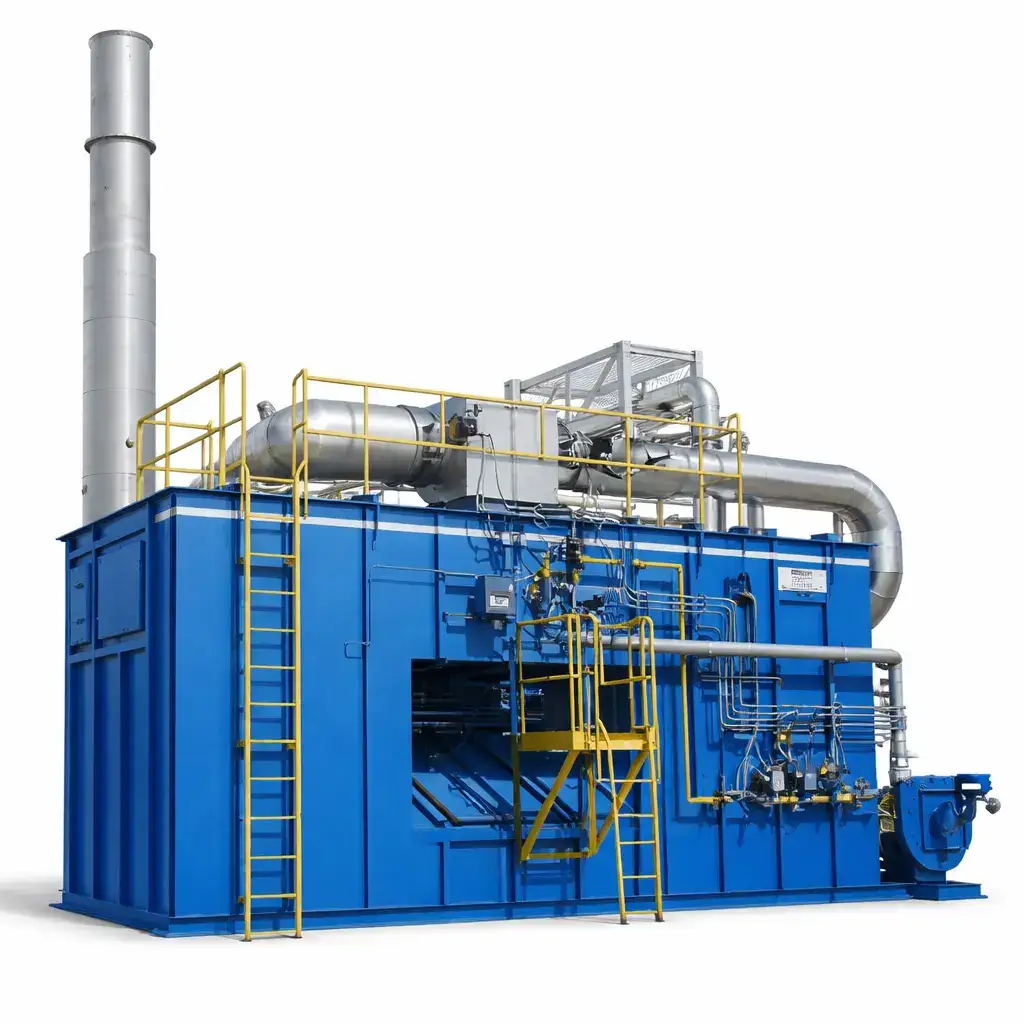
CRA's thermal oxidisers treat the air drawn from covered refinery separators, basins and flotation units, destroying hydrocarbons, benzene and odour before discharge.
Destruction efficiency
>99%
Stream
Collected effluent air
Heat recovery
Recuperative or regenerative
Duty
Continuous
What does a thermal oxidiser do at a refinery effluent plant?
Oil and organics in refinery effluent evaporate from separators, basins and flotation units. Once these units are covered, fans draw the air to a thermal oxidiser, which burns the hydrocarbons and odour-causing compounds.
How it works
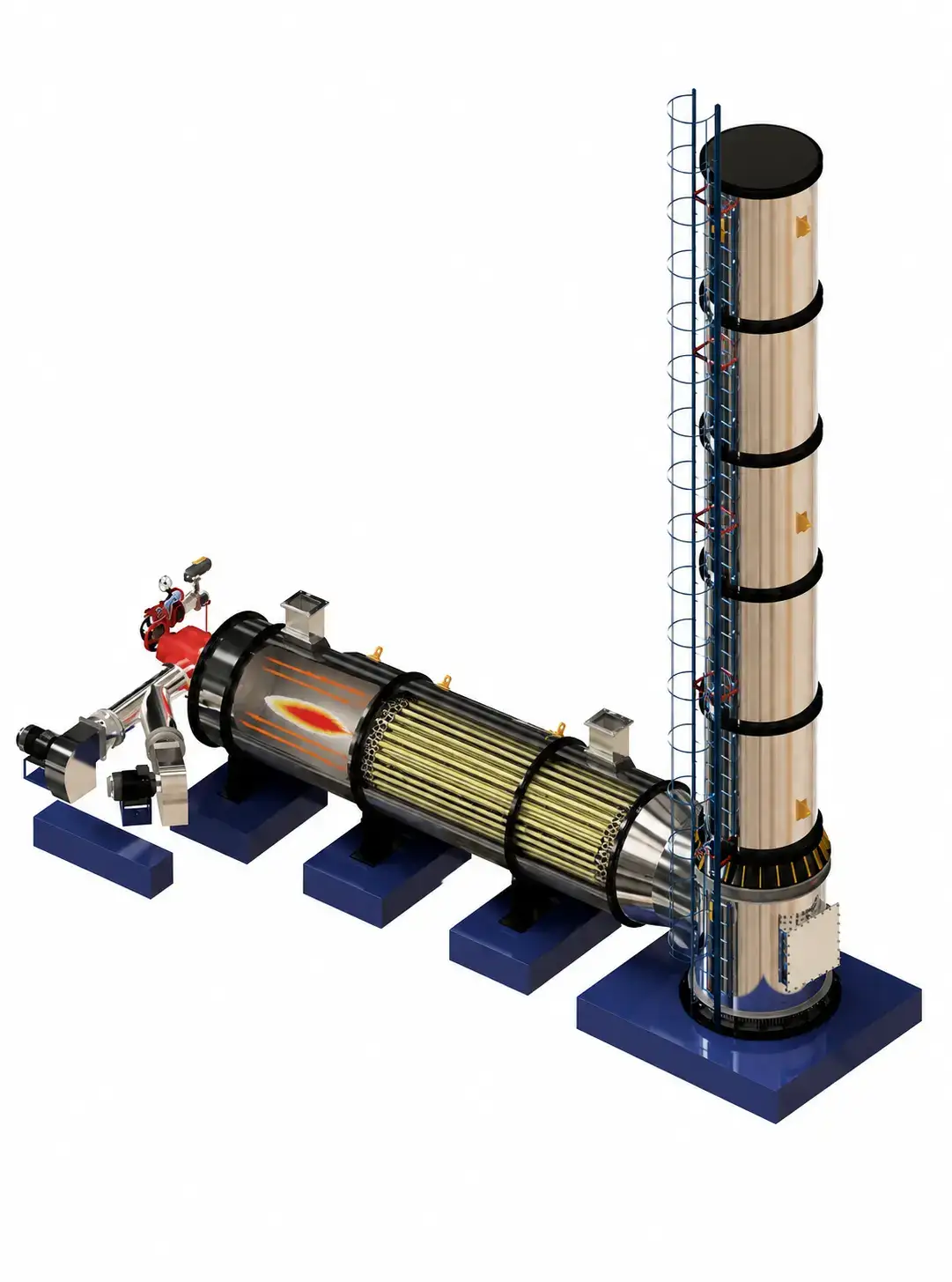
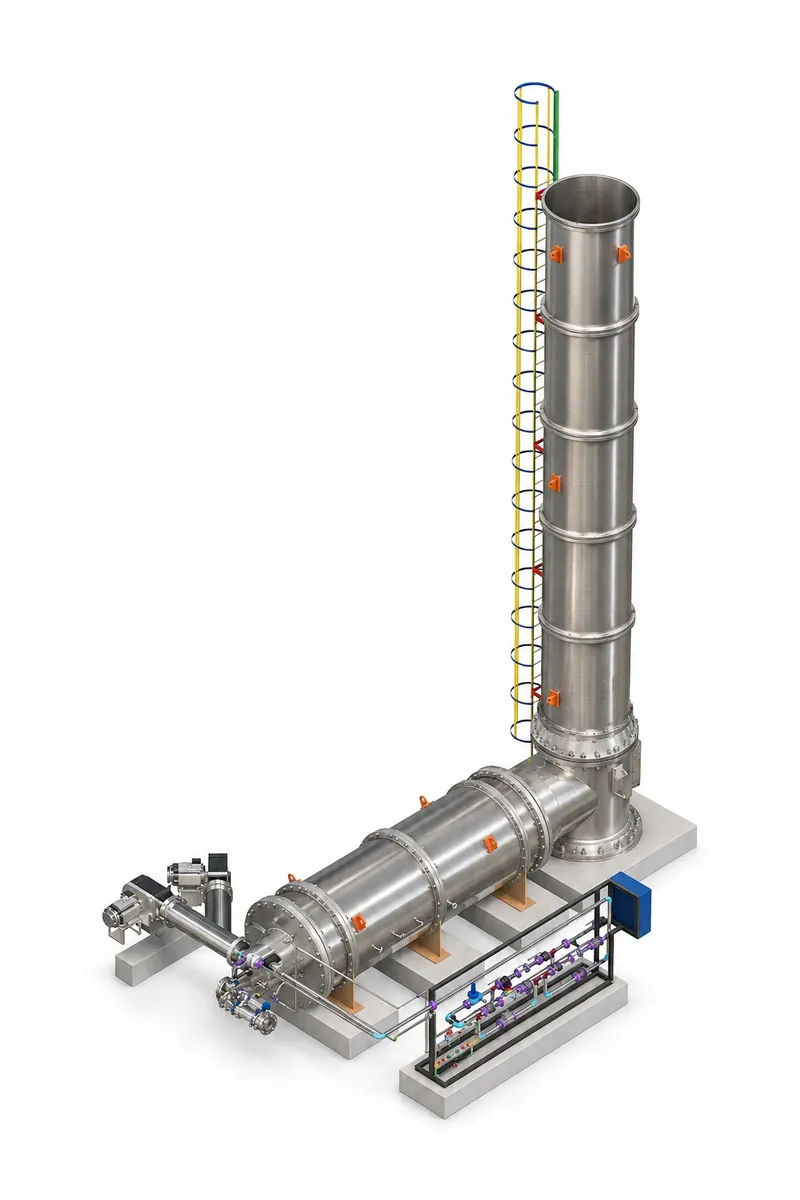
The oxidiser sits at the end of the collection ducting, with heat recovery chosen for the air flow and the vapour load.
Fans draw the air from the covered effluent units.
Heat recovery warms the incoming air with the outgoing exhaust.
Hydrocarbons and odour-causing compounds oxidise in the combustion chamber.
Treated air leaves the oxidiser stack.
Key Benefits
Hydrocarbons and benzene in the collected air are destroyed before discharge.
Sulphur compounds and other odour-causing gases are oxidised with the hydrocarbons.
The oxidiser is designed for destruction efficiency above 99%.
Recuperative and regenerative designs cut support fuel on dilute air.
The unit runs continuously alongside the effluent plant.
The CRA Edge
CRA has more than 30 years of experience in gas handling and flare engineering.
Design, R&D and manufacturing are carried out under one roof.
ISO 9001 certified through TÜV NORD, with designs aligned with ASME, API and CE.
Designs are customised to the process needs and the regulations that apply at site.
Applications


Frequently Asked Questions
Why treat air from refinery effluent units?
Separators and basins release hydrocarbons, benzene and odour. Covering them and treating the air keeps these emissions off the site and within permit limits.
Which oxidiser suits effluent basin air?
The choice depends on the air flow and the vapour concentration. Dilute streams suit regenerative or recuperative designs, and richer streams suit a direct fired oxidiser.
Can the oxidiser handle sulphur compounds?
Yes. Hydrogen sulphide and mercaptans are oxidised with the hydrocarbons, and a scrubber can follow where the stack limit requires it.
What data does CRA need to size an effluent air oxidiser?
CRA needs the air flow from each covered unit, the measured or expected vapour concentrations, the emission limits and the site conditions.
Can other refinery vents go to the same oxidiser?
Yes. Where the streams are compatible, other low-pressure vents can be routed to the same unit.